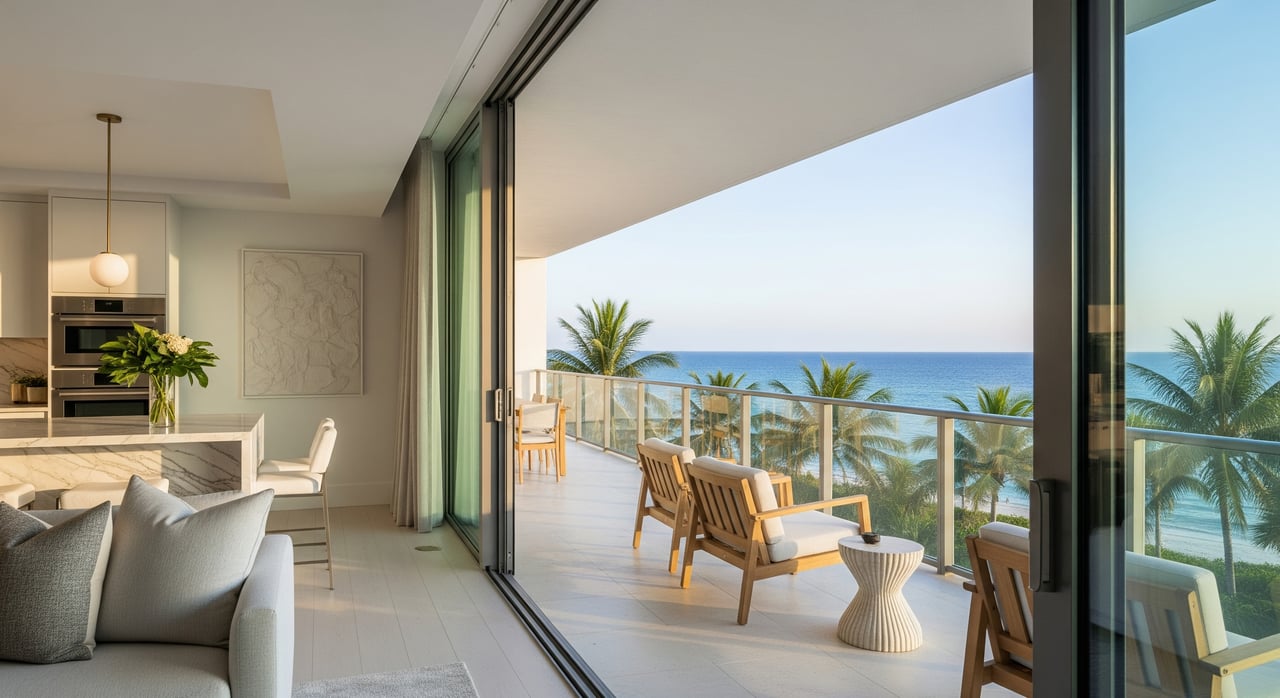
Thinking about turning your Delray Beach condo into a seasonal rental this winter? You’re not alone. Demand for furnished 3 to 6 month leases jumps when snowbirds and traveling professionals arrive, and well‑prepared units can earn premium rates. In this guide, you’ll learn how to time the market, navigate HOA rules, outfit your condo, set the right price, and manage approvals without stress. Let’s dive in.
Know the Delray Beach season
Delray Beach follows the broader Palm Beach County rhythm. The main season runs November through April, with peak demand from December to March. Shoulder interest often appears in late spring and early fall.
Most 3 to 6 month renters are retirees escaping winter, remote workers, and professionals on mid-length assignments. They want furnished, turnkey homes with strong internet, simple utility setup, parking, and easy access to beaches and amenities. Plan ahead, because the best seasonal renters start looking 2 to 6 months before arrival.
- For a November 1 start, list by July through September.
- For January through March moves, list 3 to 4 months in advance.
- Expect higher monthly rates in winter than summer. Use local seasonal comps to quantify the premium by building and amenity level.
Confirm HOA and local rules first
Before you plan pricing or purchase furnishings, verify that your building allows seasonal leasing and under what terms. Your condo association’s declaration, bylaws, and rules control the process, including lease length, tenant approvals, and any rental caps. When in doubt, request the association’s rental policy in writing.
Florida condominium and HOA rules are governed by Chapter 718 and Chapter 720 of the Florida Statutes. Municipal requirements vary by city and county, so confirm whether any rental registrations or business tax receipts apply for your lease length in Delray Beach and Palm Beach County.
What to verify in your building
- Minimum lease term and maximum number of leases allowed at once.
- Any owner-occupancy waiting period before leasing is allowed.
- Tenant application requirements, fees, and approval timelines.
- Whether the association allows platform advertising and subletting.
- Insurance requirements for owners and tenants, and any required certificates.
- Parking, storage, move-in rules, and amenity access for tenants.
- The building’s financials, reserve funding, special assessments, and any pending litigation that could impact costs.
Design a turnkey seasonal rental
Seasonal renters choose units that feel like an easy, complete home. Treat your condo like a well-equipped, short-term home rather than a sparsely furnished apartment.
Furnish for seasonal renters
- Living: comfortable seating, a dining space for 2 to 4, and quality lighting.
- Bedroom: quality mattress, extra linens, and blackout window coverings.
- Kitchen: cookware, utensils, dishes, small appliances, and starter pantry basics.
- Tech and comfort: high-speed internet, streaming-ready TV, and reliable AC.
- Beach-ready: beach chairs, umbrella, cooler, beach towels, and storage space.
- Utilities: many seasonal leases include internet and basic cable. Clarify who pays electricity and water, and set expectations in the lease.
A modest turnkey setup for a 1 bedroom can often be achieved within an estimated range of about $5,000 to $12,000. High-end or designer packages can run higher depending on finishes and appliances. Get local quotes to match your building and target renter.
Maintenance and safety expectations
- Service the HVAC and replace filters before move-in.
- Check impact glass or shutter condition and confirm storm procedures.
- Test plumbing, water heater, and all appliances.
- Provide a digital photo inventory, a condition checklist, and clear instructions for emergencies.
- Arrange pest control and a cleaning plan between stays.
Price with a clear framework
Seasonal pricing in Delray Beach varies by building, view, amenities, and the lease length. Winter months usually command a premium, while longer terms often receive a discount. Avoid national averages and rely on local seasonal comps.
Steps to set your seasonal rent
Collect seasonal comps. Focus on your building and nearby buildings with similar views, amenities, and bedroom count. Include data from local listing channels and experienced property managers.
Adjust for features. Consider view, floor, balcony, designer furnishing quality, parking, storage, beach access, and pet policy.
Calculate your cost recovery floor. Tally monthly mortgage payment, HOA dues, pro rata property taxes, property insurance, utilities you cover, management and placement fees, cleaning and turnover costs, furnishing amortization, and a maintenance reserve.
Add your target net margin. Set a monthly net income goal and add it to your break-even number.
Check the market ceiling. Compare with top comps in peak months and confirm your price aligns with what the market will bear for your specific building.
Break-even and ROI basics
- Monthly break-even equals mortgage payment plus HOA fee plus the monthly portion of property taxes and insurance plus owner-paid utilities plus management fees plus a maintenance reserve plus a monthly furnishing amortization amount.
- Desired rent equals break-even plus your target margin.
- Include a vacancy allowance for any weeks or months between seasonal terms.
Pricing dynamics to keep in mind
- Winter premium: expect higher monthly rates in December through March compared with summer.
- Term length: a 6 month lease often prices lower per month than a 3 month lease.
- Utilities: inclusive pricing is simple to market, but consider usage caps or billing back if electricity exceeds a set threshold.
Marketing and booking timeline
Seasonal renters plan ahead. You will attract stronger applicants if your condo is listed early and your association approvals run on time.
- 6 to 9 months before season: confirm HOA rules and get written confirmation of leasing parameters. Service HVAC, inspect appliances, and confirm storm protections. Choose your furnishing level and start procurement.
- 4 to 6 months before season: take professional photos and prepare a clear seasonal listing. Launch marketing through local channels. Start tenant screening and the association application process.
- 1 to 3 months before move-in: finalize the lease, obtain any required insurance certificates, collect deposits, and confirm move-in logistics with the association. Activate utilities and line up cleaning and linens.
Screen the building and tenants with a checklist
A consistent screening process reduces surprises and helps you protect your returns.
Building and governance checks
- Rental permissions: exact minimum lease length, rental caps, and any owner-occupancy requirements.
- Approvals: application forms, background checks, fees, and typical timelines.
- Insurance: minimum liability limits and any additional insured requirements.
- Move logistics: elevator reservations, move windows, and mover parking rules.
- Financial health: reserve funding, recent budgets, and any special assessments.
- Litigation and board stability: open cases or frequent board turnover can signal risk.
- Amenity access: confirm tenant access rules for pools, gyms, and social spaces.
Red flags that raise risk
- Leasing is prohibited or delayed by long owner-occupancy requirements.
- Rental cap is low with a long waiting list for leasing rights.
- Approval timelines are long or unpredictable.
- Frequent special assessments or poor reserves.
- Recurring mechanical issues like HVAC, plumbing, or elevators.
- Limited parking or noisy locations that deter longer stays.
Tenant screening best practices
- Require a written application, ID, references, and proof of funds for the lease term. Seasonal tenants may be retirees with liquid assets, so flexibility in documentation can still be thorough.
- Run background and credit checks and complete any association application steps.
- Use a clear lease with start and end dates, early termination rules, utility responsibilities, and subletting prohibitions if required by the association.
- Collect first month and a security deposit at minimum, following association deposit rules.
- Complete a move-in and move-out checklist with photos for security deposit handling.
Operations during and between stays
Seasonal tenants expect quick responses and clear communication. You will enjoy better reviews and renewals when your operations are simple and reliable.
- Provide a local point of contact and 24/7 plan for AC, plumbing, and appliance issues.
- Monitor utility usage if you use a baseline cap and bill back for excess usage per the lease.
- Coordinate cleanings, restock essentials, and inspect for wear or damage between guests.
When to use a property manager
A local property manager experienced with seasonal leasing can handle listing logistics, tenant screening, association paperwork, utilities, cleanings, and emergencies. Management fees are typically higher than long-term leasing, and there may be a placement fee. If you live out of area or prefer a hands-off approach, build these costs into your pricing model and hand off the operational workload.
Your next steps in Delray Beach
- Confirm your building’s exact leasing rules, rental caps, and approval timelines in the condominium documents.
- Price your unit using local seasonal comps and the cost plus target margin framework.
- Outfit the condo as a turnkey home, including strong internet, complete kitchenware, and beach gear.
- Launch marketing 3 to 6 months before your target start date and begin association approvals early.
- Keep operations simple with a clear lease, defined utilities, and a responsive maintenance plan.
If you want a local, step-by-step partner to vet buildings, price your unit, and coordinate marketing and approvals, reach out to Kristen Reilly. You will get neighborhood insight, closing fluency, and team-backed distribution that helps your seasonal rental stand out.
FAQs
When is peak season for Delray Beach seasonal rentals?
- The main season runs November through April, with peak demand from December to March and secondary shoulder interest in late spring and early fall.
How far in advance should I list my condo for a winter lease?
- For a November start, list by July through September. For January through March starts, list 3 to 4 months in advance.
What minimum lease length do Delray Beach condos usually require?
- Many associations set a minimum of 90 days, though some require 6 months and others allow different terms. Always confirm the exact rule in your building’s documents.
Are 3 month leases allowed for seasonal renters?
- Some buildings allow 3 month leases, but others require longer. Check your association’s minimum lease term and any rental caps before marketing.
What furnishings do seasonal renters expect in Delray Beach?
- Turnkey setups with a quality mattress, linens, a fully equipped kitchen, high-speed internet, streaming TV, and beach gear such as chairs and an umbrella are standard.
Should I include utilities in the rent for a 3 to 6 month lease?
- Many seasonal owners include internet and basic cable. For electricity and water, you can include a usage cap or bill back excess usage as outlined in the lease.
How do I set the right price for winter months?
- Use seasonal comps from your building and nearby properties, adjust for amenities and view, calculate your break-even, add a target margin, and confirm against the market ceiling.
How long do HOA tenant approvals take in Delray Beach condos?
- Timelines vary by association and can take several weeks. Start applications early and confirm the required forms, fees, and background checks with the building.
Do I need to register my seasonal rental with the city or county?
- Requirements vary by municipality and rental length. Confirm any rental registration or business tax receipt rules with the City of Delray Beach and Palm Beach County for your specific lease term.
Should I hire a property manager for a seasonal rental?
- If you live out of area or prefer hands-off operations, a local manager can handle marketing, approvals, maintenance, and emergencies. Factor their fees into your pricing model.